
Table of Contents
Whether you’re planning to move long-distance or working with local Ottawa movers, this checklist will help you get organized and sail as smoothly as possible through the moving process.
Because booking early increases the likelihood that you’ll get the perfect time, this schedule starts early. You’ll also have more time once moving day arrives to take care of any of those little things that might crop up. Starting earlier also helps to keep you from getting overwhelmed.
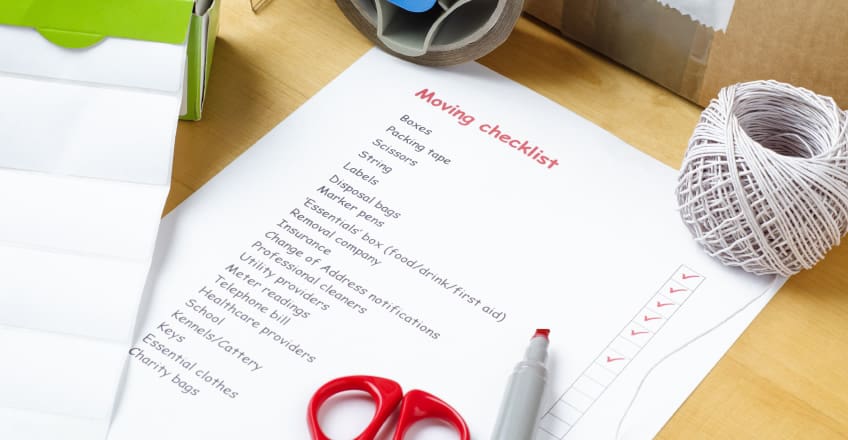
Want a free copy of the checklist for your own? Here’s a peek at what’s in the checklist from ourexpert Clarence-Rockland movers…
11+ Weeks Before You Move

- Get started by creating a binder or large folder for all your moving records, notes, receipts, inventory lists, contact information, and rental agreements. We call this your “moving binder”.
- Find out when the previous residents will be leaving, and when you’ll be able to get the keys to your new home.
- If you have your heart set on a renovation at your new home, getting it done before you move in is ideal. However, if someone is still living there, this may not be possible. If a furnace or air conditioner needs replacing, get this done as well.
- Start clearing out items you don’t want to take with you, either with a garage sale or by donating to a thrift store.
- Start doing research on how much moving will cost in Ottawa and get a few quotes from reputable Ottawa to Kingston moving companies.
Room-by-Room Inventory Planning
Creating a detailed inventory early in the process will save you headaches later and help your moving company provide an accurate quote.
- Walk through each room and note furniture, electronics, and the number of boxes you estimate needing
- Create a detailed inventory in your moving binder.
- Start assessing specialized items, such as a croquet set or waffle iron, to decide what will move with you.
- Take photos of valuable items and their current condition.
10 to 9 Weeks Before Moving
- Contact your Cassidy’s representative to book your move and find out what paperwork and processes are involved, especially if you’re moving to the United States or internationally. If you’re moving long distance to the US you can find out more here, and if you’re moving internationally you can learn more here. It’s important you find yourself a Barrhaven moving company you can trust!
- If needed, book time off from work for your moving day.
- Make any travel arrangements and reservations needed, especially if you’re moving to a new city.
- Many employers offer moving bonuses or help with expenses – make sure you find out if you qualify!
- If you have kids, contact the new school and make arrangements to transfer records and register.
- Keep your receipts! Many moving expenses can be deducted from your taxes, so be diligent and keep a record of anything and everything that you would not have had to pay for if you were not moving. Put your receipts into your moving binder.
- Make arrangements for childminding and pet sitting if needed. This can be a great job for a family member who isn’t part of your Stittsville moving crew.
- Return any items you may have borrowed and retrieve loaned items.
- If the oven needs cleaning, now is a good time to do it.
- Get yourself some packing tape, moving boxes, packing paper and other packing materials. Cassidy’s can deliver sturdy boxes right to your door!
- If you’re packing yourself, start packing with any seasonal items you won’t need in the near future. You can find more packing tips in Cassidy’s “Moving and Homeowner Tips” articles.
Planning Your Budget and Moving Costs
Understanding your moving costs upfront helps you avoid surprises and plan your finances effectively.
- Get multiple quotes: Contact at least two or three moving companies to get quotes based on identical information for accurate comparisons.
- Evaluate coverage: Determine if your items require additional valuation protection (the same as insurance) beyond basic coverage.
- Hidden costs: Factor in costs for packing supplies, cleaning services, utility deposits, and potential storage fees.
Settling into Your New Community (Early Steps)
Starting community transitions early allows you to handle administrative requirements without last-minute stress.
- School transfers: Contact the new school to transfer records and register.
- Research local services: Look for new family doctors, veterinarians, dentists, and pharmacies.
- If applicable, update your school support designation through MPAC (Municipal Property Assessment Corporation). This ensures your property tax education component is directed to the correct school board in your new neighbourhood.
8 to 6 Weeks Before Moving
- Take a look around your home and make plans to fix or repair anything that needs it – especially if you would like to get any security deposits back. Make sure you photograph the state of everything before and after to prove it was left unchanged.
- If you have kids, make sure they understand what’s happening and when. Small children may benefit from extra consideration, like stories about moving at storytime or play activities that include the idea of moving. If possible, take them to visit your new home. We have more ideas on making moving easier for kids in this blog post.
- Contact your doctor, dentist, and veterinarian, get copies of all records and make arrangements to transfer files to the new healthcare providers.
Decluttering: Hosting a Garage Sale for Unwanted Items
- Identify unwanted items to be donated or sold at a garage sale. Be ruthless: if you haven’t used something in a year, you probably don’t need it.
- Properly dispose of hazardous materials like old paint, fluorescent light bulbs, old electronics, dangerous cleaners, batteries, and aerosol cans. Your municipality’s website will have full details on proper disposal methods.
- Consider selling larger items online through Facebook Marketplace or Kijiji if a garage sale isn’t practical.
How to Pack Fragile Items Like a Pro
- Gather specialized packing supplies like bubble wrap, packing paper, dish barrels (boxes with double-walled construction), and foam pouches for glassware.
- Identify items requiring special care and handling, such as fine art, antiques, glass or fragile cabinets, firearms, pool tables, and pianos.
- Inform your Ottawa movers about specialty items, especially oversized, heavy, or bulky items.
- Wrap each fragile item individually. Never stack dishes flat; stand them on edge with padding between each piece.
- Clearly label all boxes containing fragile items with “FRAGILE” and “THIS SIDE UP” markings.
6 to 4 Weeks Before Moving
- Get in touch with Canada Post and arrange for your mail to be forwarded to your new address or local post office.
- Update your voter registration with Elections Canada. Keeping this updated ensures you receive your voter information card at your new address and are ready for any federal elections.
- Purchase moving boxes and proper packing supplies if needed. If you’re looking to save money, free cardboard boxes from a local grocery store might work, but you’re putting your belongings in jeopardy with packing supplies that aren’t built for the job.
- If you’re renting your new home, make sure you know how to reach the new landlord and superintendent on moving day.
- If your new home involves elevator access, make sure you’ve booked the freight elevator.
- Reach out to friends, family and neighbours to try and collect any loaned items.
Vehicle and Administrative Transitions
Some updates are legally required within strict timelines.
- Get your car into service and make sure it is in good condition. Address any issues before you move to ensure your vehicle is in dependable working order.
- Contact your insurance provider and make arrangements to update or transfer your homeowner’s insurance, vehicle insurance, and any other policies that require a change of address.
- Get your health card change of address information updated.
- You must arrange to update your driver’s licence and licence plates. By law, you must update your driver’s licence within 6 days of moving.
3 to 2 Weeks Before Moving
Essential Services and Utilities
- Arrange with all essential utility companies like gas, electricity, water, and internet services at your new home. Mention the date that the services at your old home should be disconnected, and if possible, have your provider transfer the account over.
- Arrange phone service at your new home if needed, and cancel your current service.
- Arrange internet service at your new home. Usually, your current internet service provider can transfer your service to your new house.
- Return any cable TV equipment.
- Have your rugs and draperies professionally cleaned and leave them wrapped once returned.
Administrative and Financial Updates
- Provide your new information to the Canada Revenue Agency
- Inform your bank, credit card lenders and any investment brokers of your upcoming move. Provide the new address and date.
- Backup your computer files. Grab an inexpensive backup drive and make sure you have copies of all your important files and documents.
Personal Logistics and Neighbourhood Prep
- Clean up and drain any gas from equipment like snow blowers, lawnmowers, etc.
- Make sure you reach out to your neighbours and/or property manager to get permission to park outside your current and future moving residences for at least four hours. Remember, bigger moving trucks leave less space for other road users. Now would be a great time to introduce yourself to your new neighbours.
- Make sure to fill any prescriptions. Changing doctors or pharmacies can leave you stuck without your meds. Set up an appointment to schedule your refills and get started on finding a new doctor.
- Transfer any magazine subscriptions.
- When moving to new cities like Toronto or moving to Vancouver from Ottawa, cancel any locally focused memberships and withdraw from local associations.
The Week Before Moving Day
- Provide your employer with any updated contact information.
- Confirm all arrangements with Cassidy’s (your Ottawa moving company).
- Scan or snap photos with your phone of important documents such as passports, medical records, insurance info, and moving information as a backup in the weeks before moving.
- Let your neighbours know that your move date is coming up fast and that you will need to make room for the moving trucks (and that you will miss them terribly!) Make sure you leave a forwarding address just in case!
- If you’re travelling by plane, bus or train, find out what you can bring with you. Make sure you know what not to pack for your move.
- Before packing your refrigerator, clean it out and give away or dispose of anything you can’t move. Treat yourself to a few days’ worth of take-out for easy clean up.
- Empty and defrost the freezer and refrigerator. Give any frozen food to neighbours or a charity.
- Organize any keys and make sure they’re labelled.
- Set out manuals for any appliances you’re leaving behind. Place them somewhere the new owner will spot them quickly, like the kitchen counter.
- Disconnect any electronics and keep all cables, adapters and other hardware organized and handy so that you can reconnect everything easily. Labelled freezer bags taped to the units can save a lot of time.
The “First Night” Essentials Box
Your first night in a new home shouldn’t involve digging through dozens of boxes looking for basic necessities.
To ensure a stress-free transition, set the following items aside in a dedicated area to be packed together in a clearly labelled container, such as a clear plastic bin.
These items must be loaded last in the moving van or U-Haul, so that they come out first.
- Personal Care Kit: Include pyjamas, shower gear, your toothbrush, toothpaste, and any required daily medications.
- Valuables and Paperwork: Keep essential jewelry and critical documents like passports, birth certificates, and moving contacts with you personally rather than in the general cargo.
- Immediate Household Needs: Pack a supply of toilet paper, paper towels, hand soap, and basic cleaning fluids to handle immediate setups.
- Sleeping Essentials: Set aside linens, pillows, and towels for everyone in the household, along with an alarm clock.
- Morning-After Survival: Include your coffee maker or kettle, along with any basic cooking equipment needed to get you through the first morning.
The Day Before Your Move
- Take down and pack window treatments.
- Create a music playlist that you can use to keep yourself and your Ottawa movers entertained and energized on the day of your move.
- Set aside house plants and boxes with fragile items so they are clearly to be treated differently when the moving truck and crew arrives. Don’t forget to label boxes!
- If you are moving during the winter, clean driveways and walkways of ice and snow to keep the moving company crew safe.
- Do a final walk-through of your house to make sure everything is packed up and ready to go.
Moving Day
- Aim to have everything ready and rolling as early as possible. Issues and unforeseen circumstances always seem to pop up at the most inopportune moments.
- Make sure you have a great breakfast. You’re going to need it!
- Set aside snacks, drinks and water for yourself and all your helpers, even professional movers need to take a break!
- Have any paperwork you need today handy.
- Ensure your family and any helpers have any needed personal protective equipment, like gloves and proper footwear.
- Remove linen from beds and pack, along with any towels left.
- Dismantle beds as much as possible.
- Put any keys you’re leaving for the new resident in an obvious place.
- Leave your new address and contact information behind in case the new residents receive your mail or other deliveries post-move.
- Do any final cleaning touch-ups. A clean space with all garbage removed is one of the nicest housewarming gifts you can give to the new resident.
- Do a final check of closets, the basement, and other areas where things may have been forgotten.
- Tip your Ottawa movers!
- Take pictures and videos of your empty home. You want to be able to prove your house was in excellent condition the day you moved out.
Preparation for the Final Walk Through
A thorough final inspection protects you from disputes and ensures nothing gets left behind.
- If you’ve been renting, your former landlord may want to do a final walk-through inspection with you.
- Discuss your inventory and do the walkabout with the moving supervisor.
- Do a final walk around your house. Lock windows and doors, turn off lights, ensure toilets and taps are not running and prepare any remaining equipment, appliances or other belongings for possible long-term storage. (eg. Unplug the beer fridge in the basement and leave the door open.)
After You Move In
- Change your locks and get copies of your new keys made—you never know who has copies of the old keys.
- Inspect your home and note anything in need of repair, such as burnt-out lights, dirty furnace filters, or walls that might have been dinged during your move.
- Take “Before” photos so you have a handy reference in case you decide to renovate or need repairs in the future
- Confirm you updated all your documentation (such as driver’s licence, health card, car insurance and registration, etc.) to reflect your change of address.
- Inspect your breakables and valuable items to ensure they’re in good shape after the move.
- Sit back, relax, and enjoy a successful move into your new community!
We have more helpful tips for you in our guide on how to pack to move in a hurry.
*Credits: Adapted from Canadian Housing and Mortgage Corporation and Canada Post, plus over 100 years of experience!
Download Free Checklist
You’ll get an email containing links to the same list in MS Word and PDF formats.
