
Table of Contents
If you’ve got an Ottawa shipping container that needs to move, or you’re thinking about buying one and wondering how you’d move it later, it’s smart to ask that question early.
A sea can is a heavy steel box. Moving one safely takes the right truck, clear access, a realistic weight estimate, and someone who understands the rules of the road. We’ve been moving heavy, valuable items for Ottawa Valley families and businesses since 1908, so this is a question we often field.
This guide explains how to move a shipping container, what changes with size and weight, what it costs locally and long-distance, the Ontario rules worth knowing, and when the job is better left to a trusted, licensed carrier.

Free Ultimate Moving Checklist
Say goodbye to moving stress with our 2025 residential moving checklist for Canada—it’s the ultimate time-saver!
Download NowCan You Move a Shipping Container Yourself?
Sometimes, but only in limited situations.
If you need to reposition an empty sea can a short distance on firm, level ground, dollies, skates, or caster wheels may work. That’s the one case where a careful do-it-yourself approach can make sense.
Full transport is a different story. Once a container is heading down a public road, or once there’s any real weight inside, you’re into proper equipment, a licensed carrier, and Ontario’s road rules.
For most people, moving a container any real distance is a job worth handing to a professional mover.
Ways to Move a Shipping Container

The right method depends on the container size, the weight inside, and where it needs to go.
By Truck
This is the most common option.
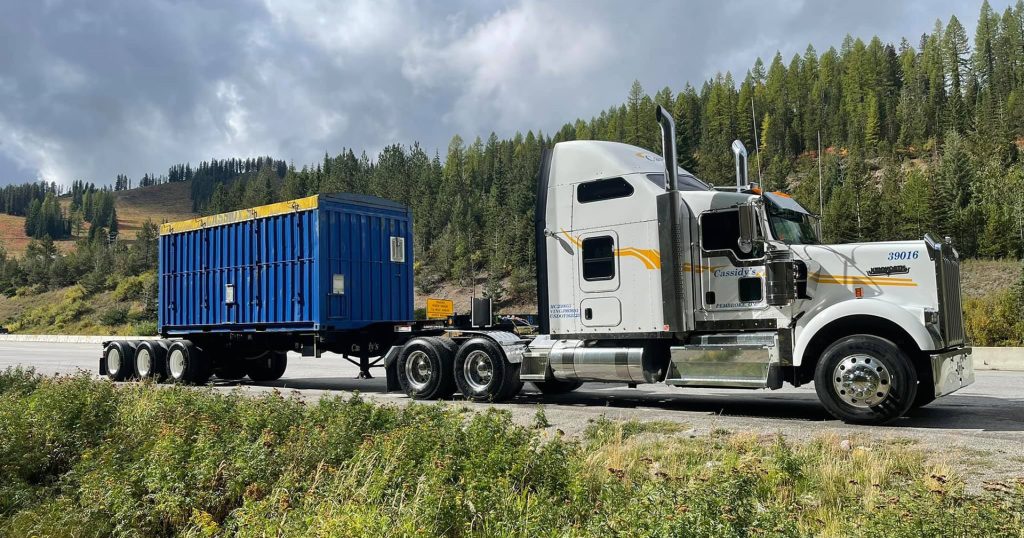
For local moves, a tilt bed or tilt-and-load truck can pick up the container and place it at ground level.
When moving long-distance, the container often travels on a flatbed. If the container is a high-cube (taller) model, the full load height may require a step-deck trailer and different routing.
By Crane or Forklift
A crane or a heavy forklift can be used for lifting, loading, and offloading, or for a short lift over an obstacle. It’s less about distance and more about getting it safely on or off the truck, or when access is tight.
Short-Distance Repositioning
If you only need to nudge a container a short distance on firm, level ground, dollies, caster wheels, or steel skates can do the job. This is the one scenario where a careful do-it-yourselfer with the right equipment can reasonably go it alone.
The container should be empty or very light, so don’t attempt to move a shipping container home on your own. If the ground is soft, sloped, or uneven, the job quickly becomes very risky for you, the container, and your property.
By Rail or Sea
For long-haul or international freight, containers travel by rail and by ship, which is what they were built for in the first place.
That’s a different world from moving a single container to a cottage or a job site, but it’s worth knowing the option exists for cross-country and international loads.
The Questions That Decide How (and Whether) Your Container Can Move
Before we can tell anyone how their container will move, or quote a price, we ask a few questions.
They’re the same ones you can use to size up your own situation, so here’s what a mover should ask, and why each answer matters.
What Size Is It?
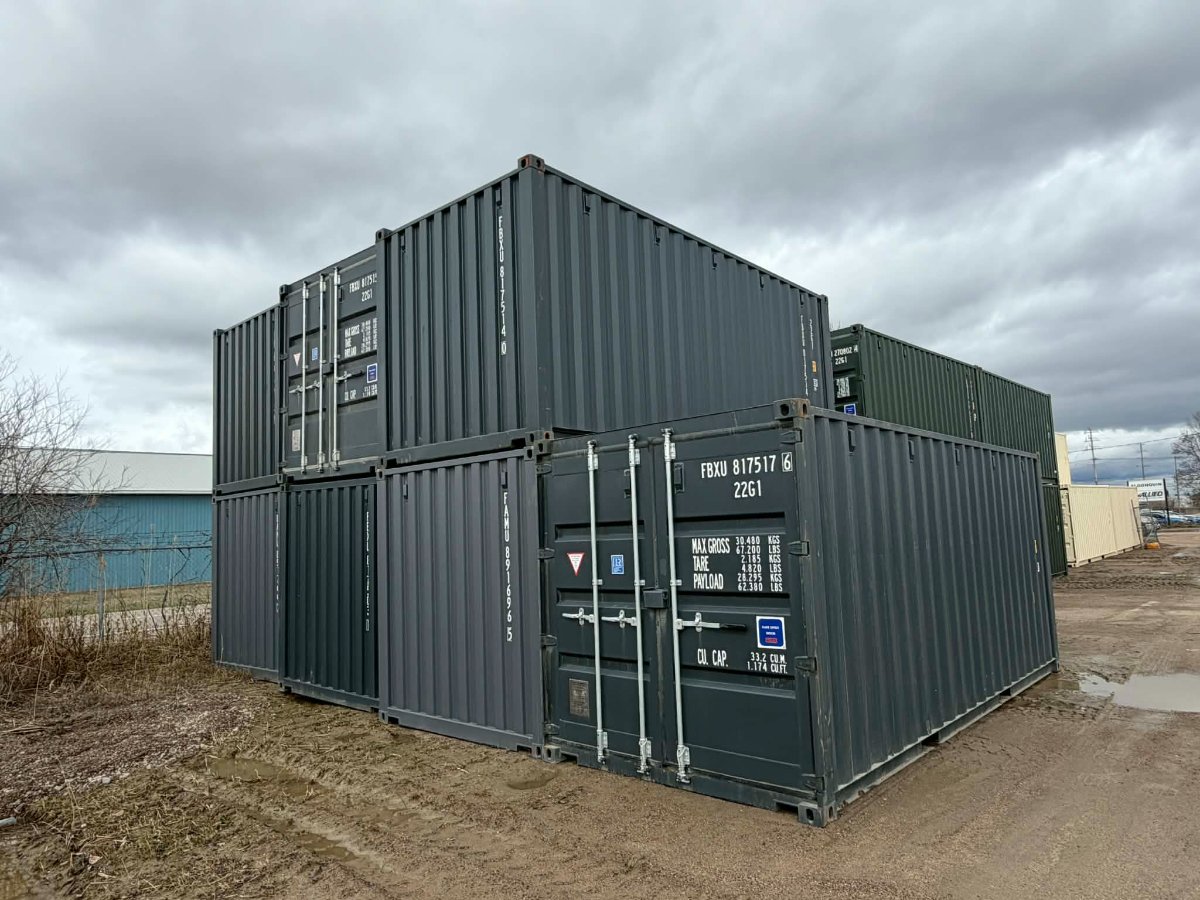
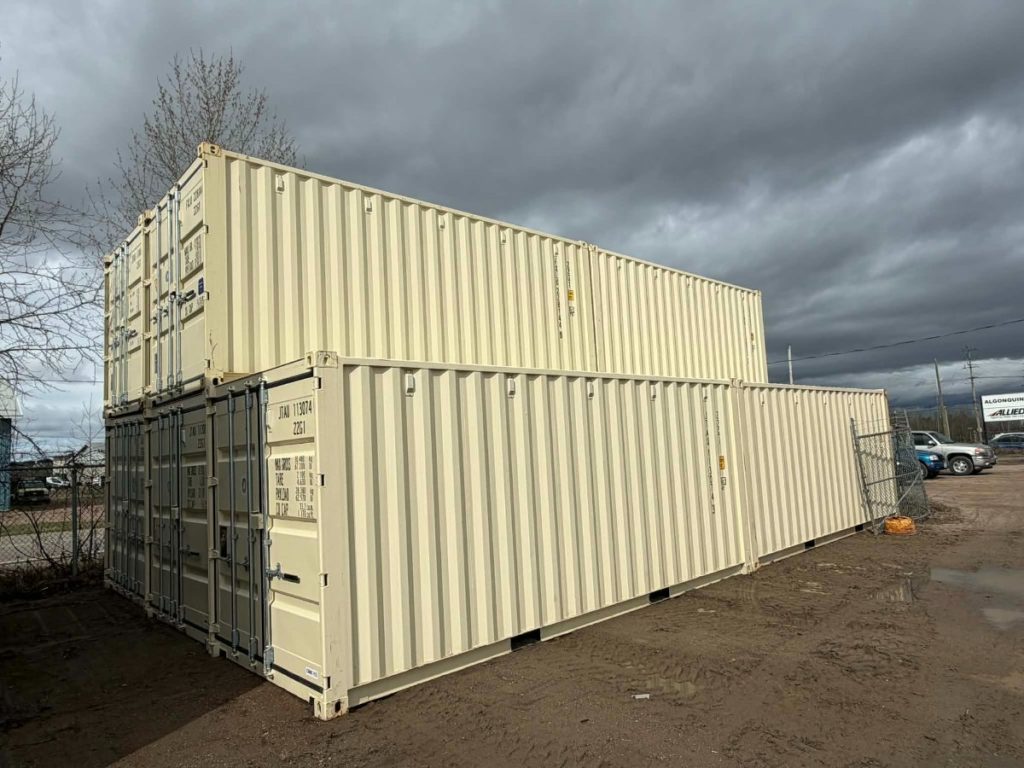
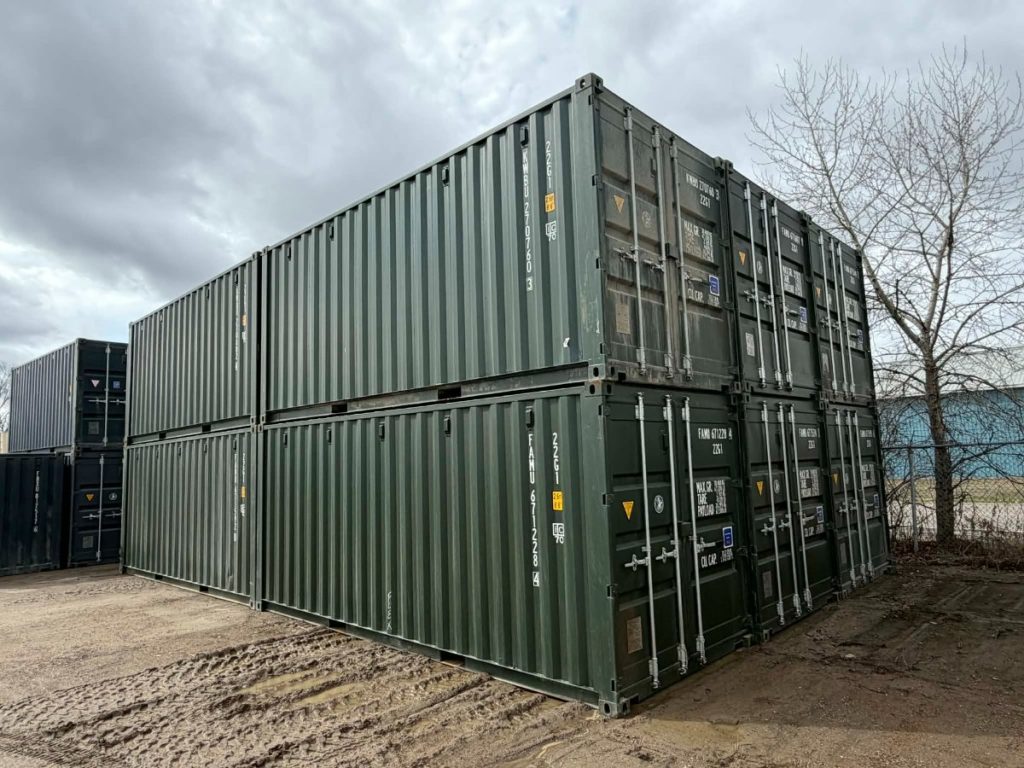
The two most common shipping container sizes are 20-foot and 40-foot.
Size matters because it changes the truck, the handling, and the rate. A 20′ container is usually the easier move. A 40′ container needs more space, more planning, and different equipment.
Is It Loaded, and How Heavy?
Weight is also one of the biggest factors.
The thing to watch is the “payload”: the combined weight of everything packed inside the box, excluding the container’s weight.
As a rule of thumb, keeping a 20-foot under roughly 10,000 lbs of payload keeps it in easy-to-move territory.
However, a fully loaded 40-foot container generally can’t be delivered to the ground, which puts it outside the range that most movers (including Cassidy’s) can handle. If you own a 40-foot, plan to move it empty or only lightly loaded.
Where Is It Going?
Local or long-distance is the single biggest driver of both cost and complexity.
A move across the city is quick and predictable. A move to another province takes more planning and coordination, because someone may need to help offload the container at the destination.
Moving a Container Locally
Within Ottawa and Renfrew County, moving a shipping container is straightforward.
We bill a local container move at an hourly rate for the truck and driver, and the rate varies depending on whether the job needs a 20-foot or 40-foot truck.
It’s quick, it’s predictable, and it stays in the region we’ve been working in since 1908, from Pembroke and Petawawa to Renfrew, Arnprior, Carleton Place, Kanata, and Barrhaven.
Simply tell us where it is and where it’s going, and we can give you a clear sense of the time and cost up front.
Moving a Container Long Distance
There are more moving parts with a long-distance container move, but we’ve done many over the years.
For example, let’s say someone in Pembroke loads their household into a 20-foot container and needs it shipped to New Brunswick.
Here’s how that move actually comes together:
- Plan the pickup with our tilt-and-load truck.
- Bring the container back to our yard and load it onto a flatbed for the haul.
- Drive the long-distance leg ourselves.
- Connect with a local partner at the destination (often a tow company) to offload the container and set it on the ground.
- Quote the move and work out the dates with you.
As a United Van Lines partner, we can also tap their network of connections in cities across Canada when a destination calls for it.
How Container Size & Weight Change the Move (10ft, 20ft, 40ft)
Size and weight aren’t just numbers on a spec sheet; they determine the truck’s performance, handling, and even what’s possible.
| Container Size | Pros | Cons |
| 10′ Container | Small footprint & easy to place | Fewer carriers handle them |
| 20′ Container | Most popular and versatile. Also, the simplest to move | Harder to transport if heavy |
| 40′ Container & High-Cube | Provides maximum space. High-cube option offers extra height. | Needs specialized equipment to transport. Route/height restrictions. Heavy & difficult to move when loaded. |
How Much Does It Cost to Move a Shipping Container?
For local moves, cost is usually based on an hourly rate for the truck and driver. The rate varies depending on the container size and equipment needed.
For long-distance moves, the quote depends on distance, container size, weight, flatbed hauling, destination offload help, timing, and coordination. A move from Pembroke to another town in the Ottawa Valley is a very different job from moving a loaded 20′ container to another province.
If you’re still shopping for the box itself, it helps to know the cost of a shipping container. Remember to always buy from a trusted seller to avoid shipping container scams.
One thing worth knowing: if it’s a container you bought from us in the first place, we’ll usually work out a better rate on the move.
Site Prep & Access (the Step Most People Miss)
This is the step people often miss.
The moving truck needs room to get in, turn, line up, and safely place the container. The ground should be firm, level, and dry. Soft ground, steep slopes, tight corners, low branches, overhead wires, fences, gates, decks, and parked vehicles can all affect the move.
Before delivery day, clear the path and think about where the container will sit. A little prep can save a lot of time and avoid surprises once the truck is on-site.
Ontario Rules You Should Know Before Moving One
There are road rules that come with hauling something this size, and they’re part of why moving a shipping container is rarely a do-it-yourself job.
In Ontario, an oversize or overweight permit is required when the vehicle and its load exceed the provincial limits set out in the Highway Traffic Act.
The standard legal width limit for a vehicle and load is 2.6 metres, or about 8 feet 6 inches. A standard shipping container is roughly 8 feet wide, so width alone is usually not the issue.
Weight, total height, trailer length, and the specific route can still matter, especially with 40′ or high-cube containers. Local roads may also have municipal access or permit requirements, so routing is part of the planning.
At Cassidy’s, we’re set up and equipped to move containers in compliance with these rules, so getting a ticket is one less thing for you to think about.
DIY vs Hiring a Professional
DIY can make sense when you’re repositioning an empty container a short distance on your own property, with the right gear and the right ground conditions.
Hire a professional mover when the container is going on the road, carrying weight, travelling a long distance, or measuring 40′.
Containers are heavy and unforgiving. The cost of damaging the container, the property, the truck, or someone’s safety is much higher than the cost of properly planning the move.
Let Cassidy’s Move Your Container
Moving a container with us is simple. Just tell us the container’s size, whether it’s loaded, and where it’s going, and we’ll take it from there!
If it’s a container you originally purchased from Cassidy’s, let us know when you reach out. We typically offer returning customers a better rate on moving a container we sold.
We handle local moves throughout Ottawa and Renfrew County at an hourly rate, and we have the equipment and the partner network to manage long-distance moves to other provinces when that’s what you need.
Ready to move your container? Request a shipping container quote or give us a call at 613-836-4225, and we’ll work out the details and the dates with you.
